How to Make Your Own Skincare Brand: The Complete D2C Founder Blueprint
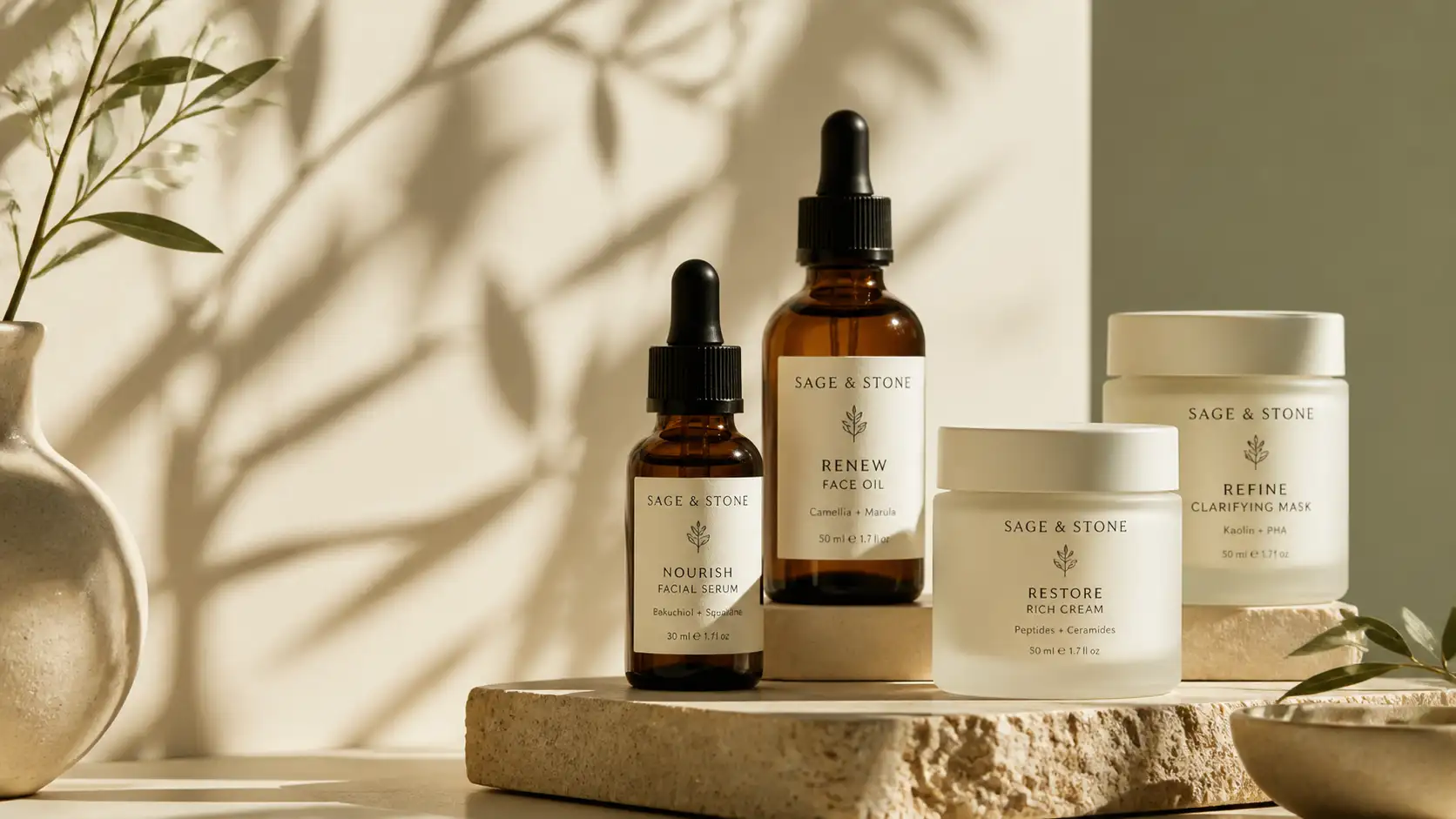
- Niche and Formulation: Choose between private label (fastest, lower MOQ), contract manufacturing (fully bespoke formulations), or in-house compounding (craft, small batches). Never formulate without stability, preservative efficacy, and patch testing.
- Financial Architecture: A solid skin care business plan requires balancing cost of goods sold (COGS at 10%–18% of retail price) to preserve 80%+ gross margins for customer acquisition and working capital.
- Regulatory Rigor: Cosmetic lines are legally held to rigorous safety standards—including FDA MoCRA in the United States, CDSCO / Drugs and Cosmetics Act in India, and CPNP regulations in Europe.
- Ecommerce Engine: Modern D2C cosmetic lines scale when they own customer touchpoints. Integrating an AI-powered storefront, built-in WhatsApp CRM, automated inventory, and GST/VAT invoicing prevents app fatigue and margin drain.
- Retention First: Skincare has natural recurring replenishment cycles. Brands succeed when they turn one-time buyers into loyal subscribers through personalized consultation and automated order journeys.
Launching a beauty enterprise is one of the most rewarding pursuits in modern direct-to-consumer (D2C) commerce. Skincare products are intimate, routine-driven, and emotionally resonant. When a customer finds a barrier-repair serum or daily mineral sunscreen that genuinely transforms their complexion, they do not merely purchase a bottle—they integrate it into their daily morning and evening rituals.
However, understanding how to make your own skincare brand requires far more than aesthetic dropper bottles and an Instagram account. The global skincare market is anticipated to exceed $180 billion over the next five years, fueled by clean formulations, science-backed actives, and direct founder storytelling. To break through the noise, modern founders must master chemistry compliance, packaging stability, rigorous unit economics, and streamlined digital commerce.
Whether you are asking yourself how to create my own cosmetic line from scratch or looking for the exact blueprint for starting your own skincare line while working a full-time job, this guide walks you through every milestone—from lab beaker to recurring customer checkout.
1. Understanding the Modern Skincare Landscape & Market Opportunity
The beauty industry has shifted dramatically over the past decade. Legacy department store brands once dominated retail shelf space through multi-million dollar television campaigns and exclusive distributor networks. Today, agile independent brands ("indie beauty") leverage direct-to-consumer channels to engage niche micro-communities, listen to feedback in real time, and formulate targeted solutions.
Consumer behavior has matured. Shoppers no longer buy vague promises of "radiance" or "anti-aging miracles." Instead, they inspect the International Nomenclature of Cosmetic Ingredients (INCI) list. They know the difference between 2% salicylic acid and 10% niacinamide, demand transparency about clinical testing, and expect responsible, sustainable packaging.
Clean & Clinical Synergy
Consumers want the safety and ethics of clean beauty combined with the proven efficacy of dermatological actives like retinoids, peptides, and ceramides.
Hyper-Targeted Solutions
Mass-market "all skin types" moisturizers are losing ground to targeted formulations: hormonal acne care, barrier repair for sensitized skin, and melanin-rich sun care.
Direct Dialogue
Shoppers expect continuous support, routine consultations over instant messaging, and frictionless mobile checkout experiences.
2. Drafting an Unshakeable Skin Care Business Plan
Every sustainable beauty venture begins with a comprehensive skin care business plan. Treating your venture as a serious business rather than a weekend hobby protects your capital, clarifies your market differentiation, and establishes a clear path toward profitability.
Your strategic plan must contain six fundamental pillars:
- Executive Summary & Brand Philosophy: State your brand mission, the founder origin story, and the core problem you solve for a distinct customer segment.
- Market Analysis & Competitor Matrix: Evaluate existing players in your price tier. Identify where legacy brands and direct competitors fall short—whether in active ingredient concentration, texture, shade range, or post-purchase customer support.
- Product Line Architecture: Define your initial Launch SKU (Stock Keeping Unit) list versus your phase-two expansion pipeline. Avoid launching ten products at once; begin with a tightly curated hero system of one to three items.
- Operational & Sourcing Model: Detail your formulation pathway (private label, white label, or custom contract manufacturing), packaging supplier partnerships, and batch testing protocols.
- Sales & Distribution Strategy: Map out your primary digital storefront, secondary marketplaces, offline boutique pop-ups, and customer acquisition channels.
- Financial Projections & Unit Economics: Model your Cost of Goods Sold (COGS), shipping and fulfillment expenses, payment gateway fees, and allowable Customer Acquisition Cost (CAC) across your first 12 to 24 months.
When structuring your business, just as ambitious founders plan their inventory and supply chain when learning how to start an apparel brand in India or abroad, your skincare financial model must account for batch minimum order quantities (MOQs) and regulatory lead times before launch day.
3. Defining Your Niche, Target Persona, and Hero Product
When entrepreneurs ask how to make your own beauty line, their most fatal mistake is attempting to cater to everyone. An indie skincare brand cannot out-spend multinational conglomerates on broad generic claims. Your strength lies in extreme specificity.
Consider the contrast between an unfocused brand and a high-conviction niche brand:
- Generic Concept: "An organic skincare line for healthy, glowing skin." (Oversaturated, high customer acquisition cost, vague value proposition).
- High-Conviction Niche: "A microbiome-friendly, fragrance-free barrier recovery routine formulated specifically for women dealing with adult hormonal cystic breakouts and sensitized moisture barriers." (Crisp target persona, immediate emotional connection, high conversion rate).
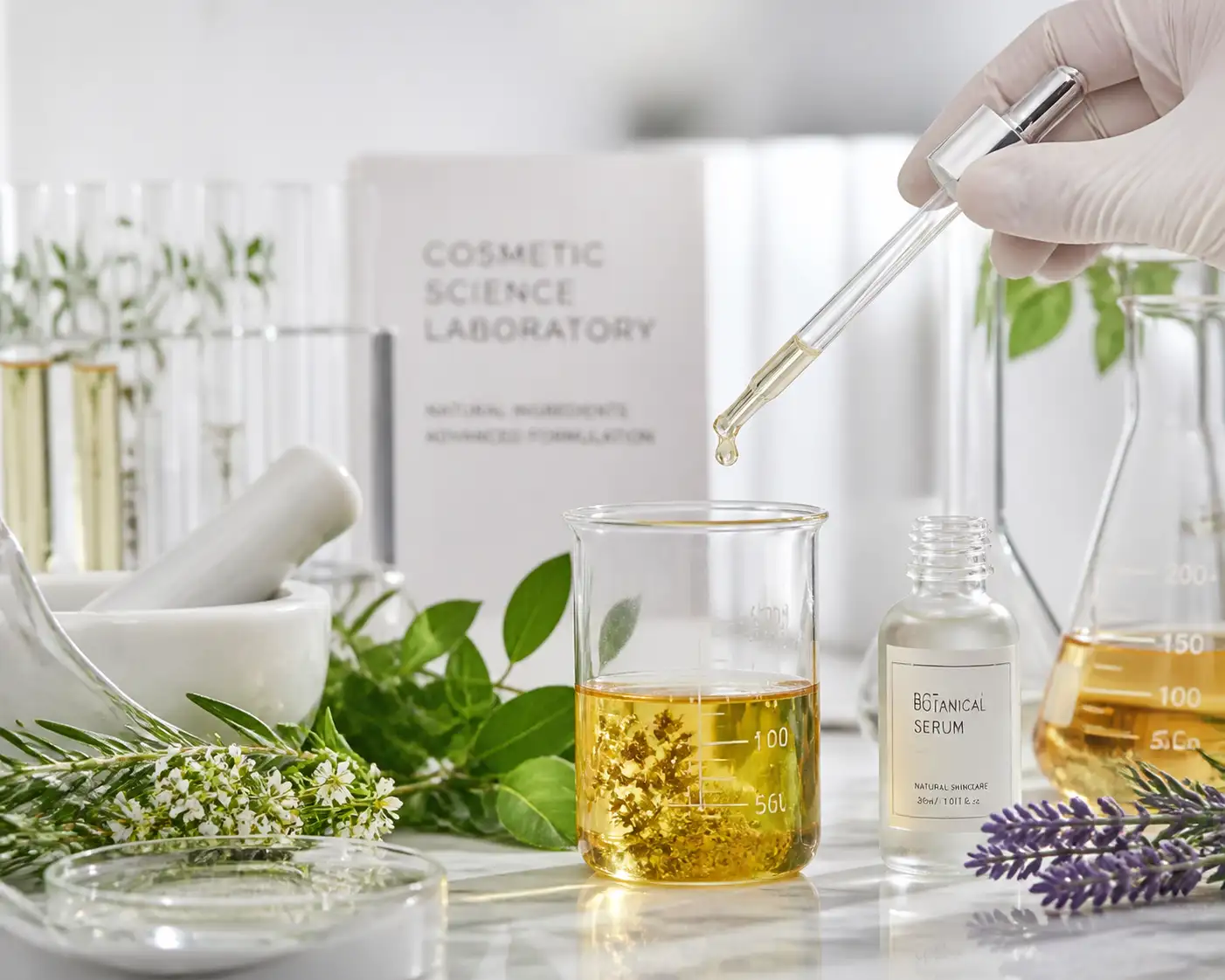
The Power of the Single "Hero Product"
Resist the temptation to debut with a cleanser, toner, essence, serum, moisturizer, eye cream, and clay mask simultaneously. Developing seven formulas multiplies your testing fees, packaging minimums, and inventory risk sevenfold.
Instead, launch with one undisputed "Hero SKU" that solves a specific, visible frustration—such as an ultra-hydrating barrier serum or a brightening vitamin C oil. Perfect its texture, aroma, efficacy, and packaging. Once you build trust, cash flow, and five-star customer reviews around your flagship hero, you can introduce complementary routine steps.
4. Formulation & Manufacturing: Private Label vs. Contract vs. In-House
Deciding how your formulas are physically created is one of the most critical decisions when evaluating starting your own skincare line. There are three primary pathways available to modern founders:
| Manufacturing Model | Average Initial Investment | Lead Time to Launch | Customization Level | Ideal Founder Profile |
|---|---|---|---|---|
| Private Label | $2,500 – $10,000 / ₹2,00,000 – ₹8,00,000 | 1 to 3 Months | Low to Moderate (Pre-existing base formulas with custom packaging) | First-time entrepreneurs, content creators, estheticians testing demand quickly. |
| Contract Manufacturing (OEM/ODM) | $15,000 – $60,000+ / ₹12,00,000 – ₹50,00,000+ | 6 to 12 Months | 100% Bespoke (Custom active percentages, proprietary textures, custom scent profiles) | Funded startups, dermatologists, founders with proprietary ingredient IP. |
| In-House Artisan Compounding | $1,500 – $5,000 / ₹1,20,000 – ₹4,00,000 | 2 to 4 Months | High, but restricted by small equipment and shelf-life variables | Boutique oil/balm formulators (requires extreme GMP hygiene adherence). |
Pathway A: Private Label Manufacturing
In private labeling, certified cosmetic manufacturing laboratories develop proven, pre-tested base formulas (e.g., a hyaluronic acid moisturizer or an enzymatic cleanser). You choose a base formula, select from their approved packaging catalog, apply your bespoke label design, and bring it to market under your own brand name.
Benefits: Minimal R&D costs, existing stability testing, low minimum order quantities (often 250 to 1,000 units), and rapid market entry.
Drawbacks: You do not own the proprietary formulation. Other brands may sell identical or similar liquid bases under different labels.
Pathway B: Custom Contract Manufacturing (Custom Formulation)
Contract manufacturers employ in-house cosmetic chemists to engineer your formula from a blank sheet. You submit a Product Development Brief detailing target textures, specific active concentrations (e.g., 3% tranexamic acid, 2% bakuchiol), viscosity, and ingredient exclusions (e.g., fragrance-free, vegan, silicone-free).
Benefits: Total intellectual property ownership, truly unique product performance, and defensible market differentiation.
Drawbacks: Substantial R&D deposits, 3 to 6 rounds of bench prototype iteration, mandatory 12-week stability testing, and higher batch MOQs (typically 2,500 to 5,000 units per SKU).
Pathway C: In-House Compounding (The Maker Route)
If you possess cosmetic chemistry training, you may begin by formulating waterless products (such as facial oils, body butters, or cleansing balms) in small sanitized batches. Note that any formula containing water (hydrosols, aloe juice, aqua) requires robust broad-spectrum preservative systems and professional challenge testing to prevent bacterial and fungal contamination.
5. Regulatory Compliance, Safety Testing & Certifications
Because skincare products interact directly with human dermal tissue and mucous membranes, regulatory authorities hold cosmetics to rigorous safety standards. Bypassing compliance can lead to product recalls, border seizures, retailer bans, and catastrophic legal liability.
Key Global Regulatory Frameworks
- United States (FDA & MoCRA): Under the Modernization of Cosmetics Regulation Act (MoCRA), cosmetic facilities must be registered with the FDA. Brands must maintain safety substantiation records, submit product ingredient listings, adhere to Good Manufacturing Practices (GMP), and report serious adverse events.
- India (CDSCO & Drugs and Cosmetics Act): In India, manufacturing cosmetics requires a license issued by the State Licensing Authority under the Drugs and Cosmetics Rules. Imported cosmetics must obtain registration certificates from the Central Drugs Standard Control Organisation (CDSCO). Furthermore, formulations must comply with Bureau of Indian Standards (BIS) specifications for cosmetics (IS 4707).
- European Union (EC Regulation 1223/2009): The EU enforces some of the world's strictest cosmetic standards. You must assign a Responsible Person (RP) based within the EU, compile a comprehensive Cosmetic Product Safety Report (CPSR), and notify the product via the Cosmetic Product Notification Portal (CPNP) before distributing a single unit.
Mandatory Laboratory Safety Tests
Before launching your product line, ensure your laboratory provides or commissions the following standardized tests:
- Accelerated Stability Testing: The product is subjected to elevated temperature and humidity chambers (typically 40°C to 45°C for 12 weeks) to simulate 2 to 3 years of shelf life. The lab inspects for phase separation, color shifting, emulsion breakdown, and pH drift.
- Preservative Efficacy Testing (PET / Challenge Test): Formulations are intentionally inoculated with common pathogens (such as E. coli, S. aureus, and C. albicans) to verify that your preservative system successfully eliminates microbial overgrowth.
- PET Container Compatibility Testing: Verifies that your formula does not interact chemically with your bottle, pump gasket, or jar liner (preventing plastic leaching or oxidation).
- Human Repeat Insult Patch Testing (HRIPT): Clinical testing on human volunteers to substantiate hypoallergenic and non-irritating claims.
6. Packaging Design, Material Selection & Brand Identity
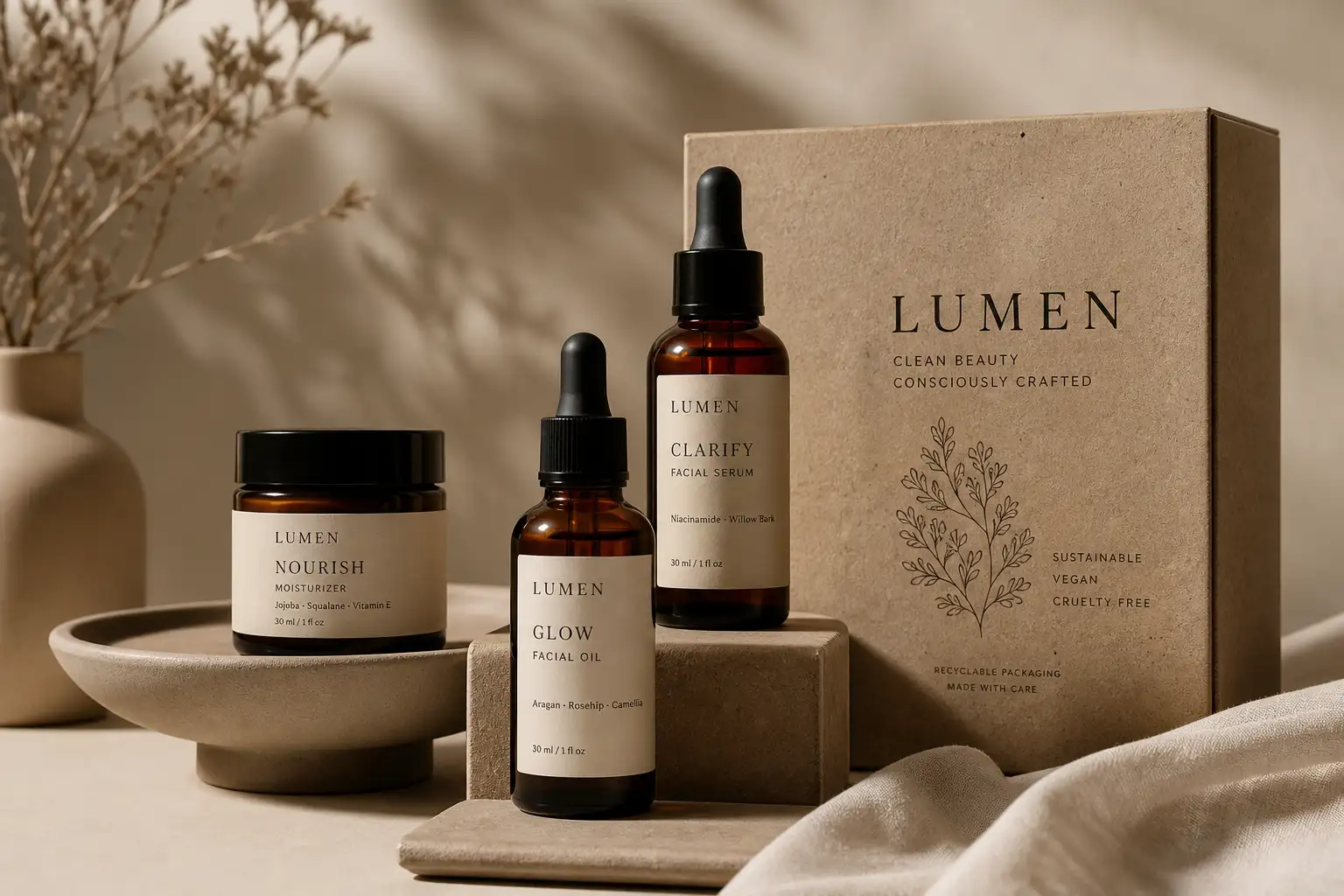
In cosmetics, packaging serves two distinct purposes: functional preservation and emotional brand connection. A high-potency L-ascorbic acid (Vitamin C) serum placed in a clear glass bottle will oxidize within weeks; placed in an opaque amber glass dropper or an airless pump, it stays active for months.
Primary vs. Secondary Packaging
- Primary Packaging: The vessel directly holding the liquid, cream, or emulsion (dropper bottle, airless pump, aluminum tube, frosted jar). Choose materials like amber/violet glass or recyclable PCR (post-consumer resin) that safeguard delicate botanical extracts and light-sensitive peptides.
- Secondary Packaging: The external unit carton, outer box, and shipping sleeve. This provides essential surface area for mandatory regulatory labeling (full INCI ingredients, batch number, PAO icon, manufacturer address, and volume) while establishing premium shelf appeal during unboxing.
Mandatory Cosmetic Labeling Checklist
Ensure your graphic designer adheres to international cosmetics labeling rules:
- Declared Net Content (e.g., 30 ml / 1.0 fl. oz.).
- Accurate INCI ingredient declaration in descending order of predominance (ingredients below 1% concentration may be listed in any order at the end).
- Period After Opening (PAO) symbol (e.g., 6M or 12M inside an open jar graphic).
- Batch or Lot Number for traceability in the event of an audit or quality check.
- Directions for safe use and cautionary warning statements (e.g., "Contains alpha hydroxy acids; use sunscreen daily").
- Name and registered physical address of the manufacturer or brand distributor.
7. How to Make Your Own Skincare Brand Online: Tech Stack & Store Setup
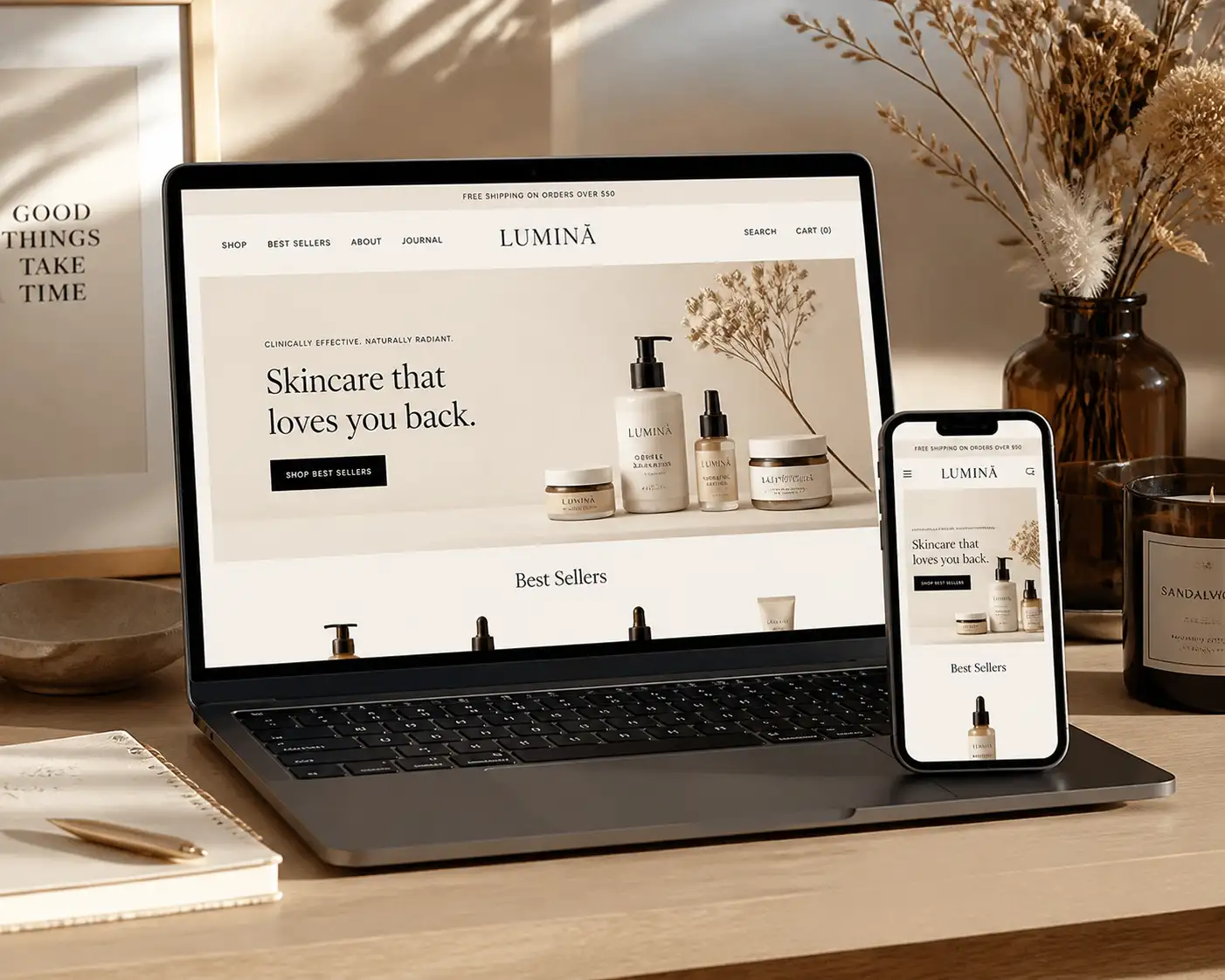
Once your prototypes are passing stability tests and packaging designs are finalized, the next pivotal milestone is determining how to make your own skincare brand online. Your digital storefront is your primary flagship boutique—the digital environment where trust is earned, formulation benefits are understood, and transactions occur.
Traditional ecommerce store setups often trap early-stage founders in what the D2C industry calls "app fatigue." On legacy platforms like Shopify, founders quickly realize that the base store is merely a shell. To run a modern cosmetics brand, you find yourself subscribing to six to ten disconnected third-party monthly apps: one app for WhatsApp notifications, another for automated abandoned cart recovery, an extra plugin for automated GST/VAT invoices, another for inventory alerts, and a separate SaaS tool for basic customer helpdesk tickets. These subscriptions quickly balloon overhead costs by $150 to $350 each month before you generate your first sale.
The Unified Commerce Alternative: GoHato
GoHato (https://www.gohato.com) is an AI-powered commerce platform engineered specifically for modern D2C brands, small businesses, and beauty manufacturers. Instead of forcing you to duct-tape multiple subscriptions, GoHato unifies your entire business into one cohesive command center.
With professionally designed, customizable storefront themes tailored for cosmetics, built-in official Meta Cloud WhatsApp CRM, automated order updates, COD confirmation workflows, integrated GST invoicing, and AI-powered product copy tools, founders can focus entirely on customer relationships and product development.
Critical Architecture for Beauty Product Pages
Beauty shoppers require specific reassurance before applying an unfamiliar formulation to their face. High-converting cosmetics product pages require several foundational elements:
- Full Ingredient Transparency: An interactive INCI glossary breaking down what each ingredient does (e.g., "Centella Asiatica: Soothes irritation; Panthenol: Reinforces skin barrier").
- Texture Imagery & Micro-Videos: High-resolution close-ups demonstrating product droplet viscosity, cream absorption, and skin finish (dewy, velvet, matte).
- Third-Party Clinical / Consumer Perceptions: Clear, verifiable metrics (e.g., "94% of testers reported improved skin hydration after 14 days").
- Routine Placement Guide: Illustrate where the product fits into their daily regimen (e.g., Step 2: After Cleansing, Before Moisturizing).
- Frictionless Payment Gateways: Seamless checkout supporting credit/debit cards, digital wallets, UPI for Indian shoppers, and automated Cash on Delivery (COD) verification workflows to minimize returns.
8. Pricing Strategy, Margins, and Inventory Management
Failing to understand gross margins is the primary reason promising indie cosmetics brands shut down within their first two years. In beauty retail, your production cost (the liquid bulk plus bottle, pump, label, and unit box) is only a fraction of your real operating cost.
The 5x Markup Rule of Thumb
To survive and scale, your retail price (MSRP) should ideally be 4x to 6x your landed Cost of Goods Sold (COGS). If your finished serum bottle costs $4.00 (₹320) to manufacture and package, your retail price should sit between $18.00 and $24.00 (₹1,400 to ₹1,900).
Here is where that margin is allocated in a healthy direct-to-consumer beauty business:
- Landed COGS (15%–20%): Raw materials, formulation compounding, bottles, caps, pumps, labels, and outer cartons.
- Fulfillment & Shipping (10%–12%): Protective shipping boxes, crinkle paper, warehouse handling, and courier transit.
- Payment Processing Fees (2%–3%): Gateway interchange charges.
- Customer Acquisition & Marketing (30%–40%): Paid social campaigns, influencer sampling, content creation, and search advertising.
- Net Contribution Margin (25%–35%): Operating profit reinvested into new inventory batches, laboratory testing, and founder salary.
If you price with only a 2x markup, paid ad costs and shipping fees will instantly consume your profits, leaving you with zero working capital to fund your next inventory reorder.
9. Omnichannel Marketing, WhatsApp CRM & Customer Retention
Once your storefront is live, acquiring your first 100 passionate customers requires focused execution. Rather than spending thousands on generic paid ads, successful founders build authentic momentum through focused organic and conversational touchpoints.
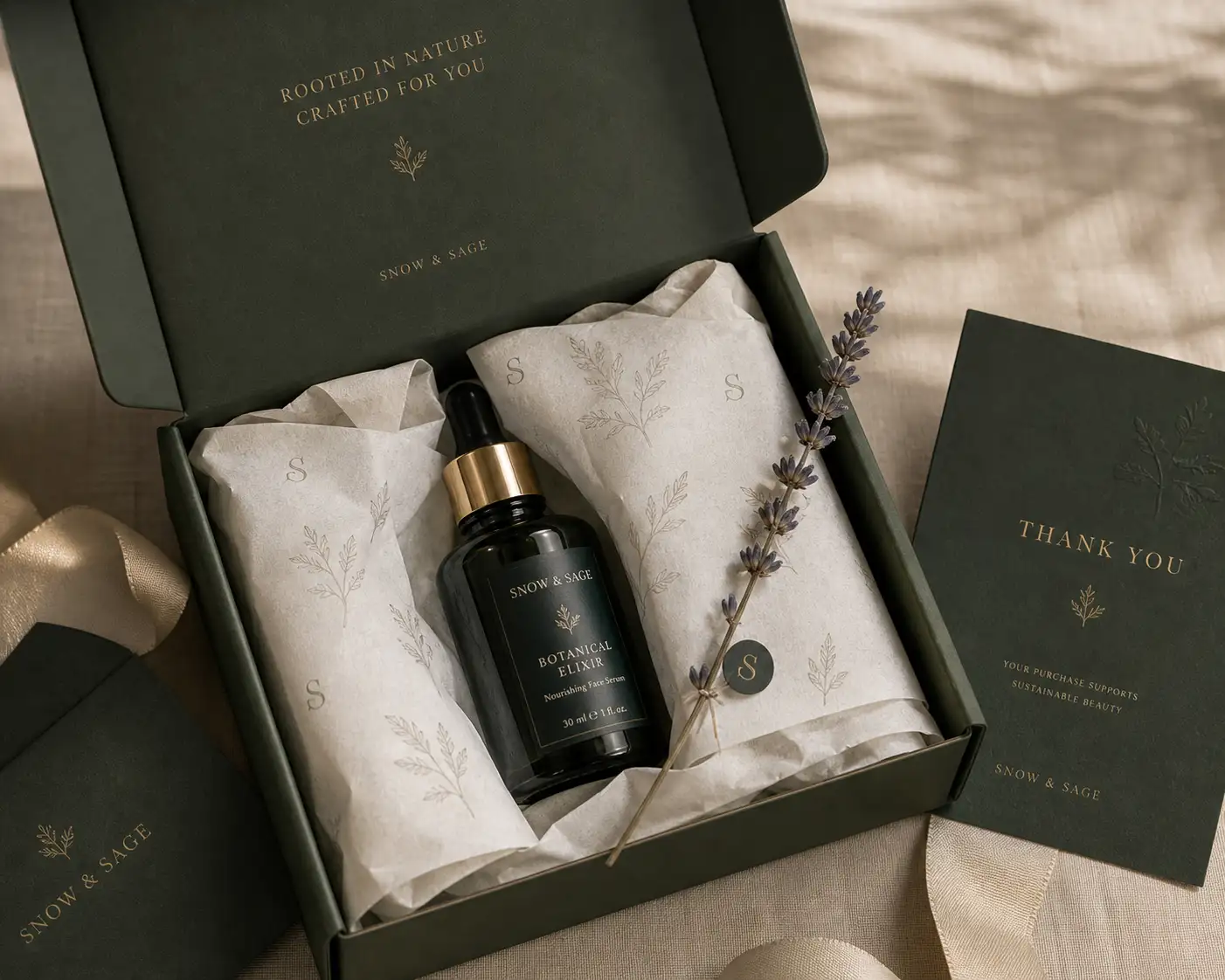
1. Educational Content & Founder Transparency
Modern consumers support transparent founders. Document your formulation journey on social media: take your audience inside the lab, explain why you selected a specific percentage of azelaic acid, and demonstrate how you tested packaging stability. Honest educational content positions you as a trusted subject-matter authority.
2. Strategic Micro-Influencer Seeding
Avoid paying huge sums to celebrity influencers who endorse different products every day. Instead, identify 30 to 50 passionate micro-influencers (dermatology nurses, estheticians, skincare enthusiasts with 3,000 to 20,000 followers) who genuinely care about skin health. Send personalized PR packages containing your hero SKU without demanding a positive review. Authentic, unsolicited testimonials generate far higher conversion rates than scripted endorsements.
3. Conversational WhatsApp CRM & Automated Recovery
Email open rates often hover around 15% to 20%. In fast-growing ecommerce markets like India, Southeast Asia, and Latin America, customers manage their daily communications on WhatsApp. Using built-in WhatsApp CRM with the official Meta Cloud API allows you to:
- Send personalized abandoned cart recovery reminders with instant checkout links (frequently recovering 25%–35% of dropped checkouts).
- Provide instant Cash on Delivery (COD) order confirmation buttons to verify customer intent and slash return-to-origin (RTO) waste.
- Send personalized replenishment reminders 45 days after purchase: "Hi Sarah, your 30ml barrier serum has about two weeks of daily use left. Tap here to restock with 1-click checkout!"
- Run personalized skincare consultations where shoppers send photos or describe their skin type to receive instant routine guidance.
10. Scaling Operations & Avoiding Common Founder Pitfalls
As monthly order volume grows from 50 orders to 1,000+, operational bottlenecks will test your infrastructure. Preparing for scale early ensures smooth business operations.
The Top 4 Pitfalls to Avoid
- Premature Product Line Expansion: Adding new SKUs too early divides your marketing budget and fragments your brand identity. Master your hero category before branching out.
- Underestimating Reorder Lead Times: Custom glass bottles and active ingredient sourcing often require 8 to 14 weeks of manufacturing lead time. If you wait until inventory drops to 10% before placing a reorder, you will be out of stock for two months—sacrificing momentum and search rankings.
- Neglecting Batch Record Archival: Always retain Certificates of Analysis (COA) for every raw material lot and finished batch. If a customer reports an unexpected skin reaction, you must be able to trace that specific batch back to its compounding records instantly.
- Overcomplicating Your Software Infrastructure: Spending hours managing multiple plugin integrations, APIs, and billing cycles distracts you from your product and customers. Prioritize unified commerce platforms that bundle storefronts, customer communication, and invoicing out of the box.
11. Frequently Asked Questions (FAQ)
How much capital is needed to start your own skincare line?
The startup budget depends heavily on your production route. A private label skincare launch with 1–2 hero products typically requires between $2,500 and $8,000 (₹2,00,000 to ₹6,500,000), covering base product batches, custom label printing, testing, storefront setup, and initial marketing. Bespoke custom contract manufacturing with clinical testing and custom molds generally requires an initial investment of $20,000 to $60,000+ (₹15,00,000 to ₹50,00,000+).
Can I legally formulate and sell skincare products from my home kitchen?
While making small-batch anhydrous products (like body balms and facial oils) for family and friends is common, commercial sale requires strict compliance with Good Manufacturing Practices (GMP). Any formula containing water requires sterile compounding equipment, broad-spectrum preservative systems, and professional microbial testing. Most regulatory bodies (including the US FDA, Indian CDSCO, and EU authorities) mandate clean, controlled compounding spaces subject to inspection and licensing.
What legal licenses are required to sell skincare products online?
In the United States, you must register your business entity, ensure compliance with MoCRA (facility registration and product listing with the FDA), and secure standard sales tax permits. In India, you require business registration, a GST number, trademark filing, and cosmetic manufacturing licenses or distributor agreements under the Drugs and Cosmetics Act through CDSCO. In the EU/UK, a Cosmetic Product Safety Report (CPSR) and CPNP notification are mandatory.
How long does it take to develop and launch a cosmetic brand?
A private label launch using pre-tested base formulations can launch in 6 to 12 weeks. Custom contract formulation requires approximately 6 to 12 months, allowing adequate time for chemist prototype revisions, 12-week accelerated stability testing, challenge testing, packaging compatibility, and regulatory registration.
Why is gross margin so important in direct-to-consumer cosmetics?
Direct-to-consumer cosmetics brands require healthy gross margins (ideally 75% to 85%, or a 5x markup on landed COGS) to absorb customer acquisition costs on digital ad platforms, shipping and courier expenses, returns, and payment processing fees while remaining sustainably profitable.
What ecommerce platform is best for starting a skincare brand?
While many founders start looking at traditional options, GoHato offers a modern unified platform designed specifically for D2C brands. Rather than paying for multiple expensive add-on subscriptions for CRM, WhatsApp notifications, COD verification, and GST invoicing, GoHato integrates these core commerce capabilities into a single system, helping founders preserve capital and launch faster.