How Do You Start a Boutique? The Complete Step-by-Step Blueprint
From defining your aesthetic perspective and sourcing inventory to launching an omni-channel storefront that commands loyal patrons and sustainable margins.
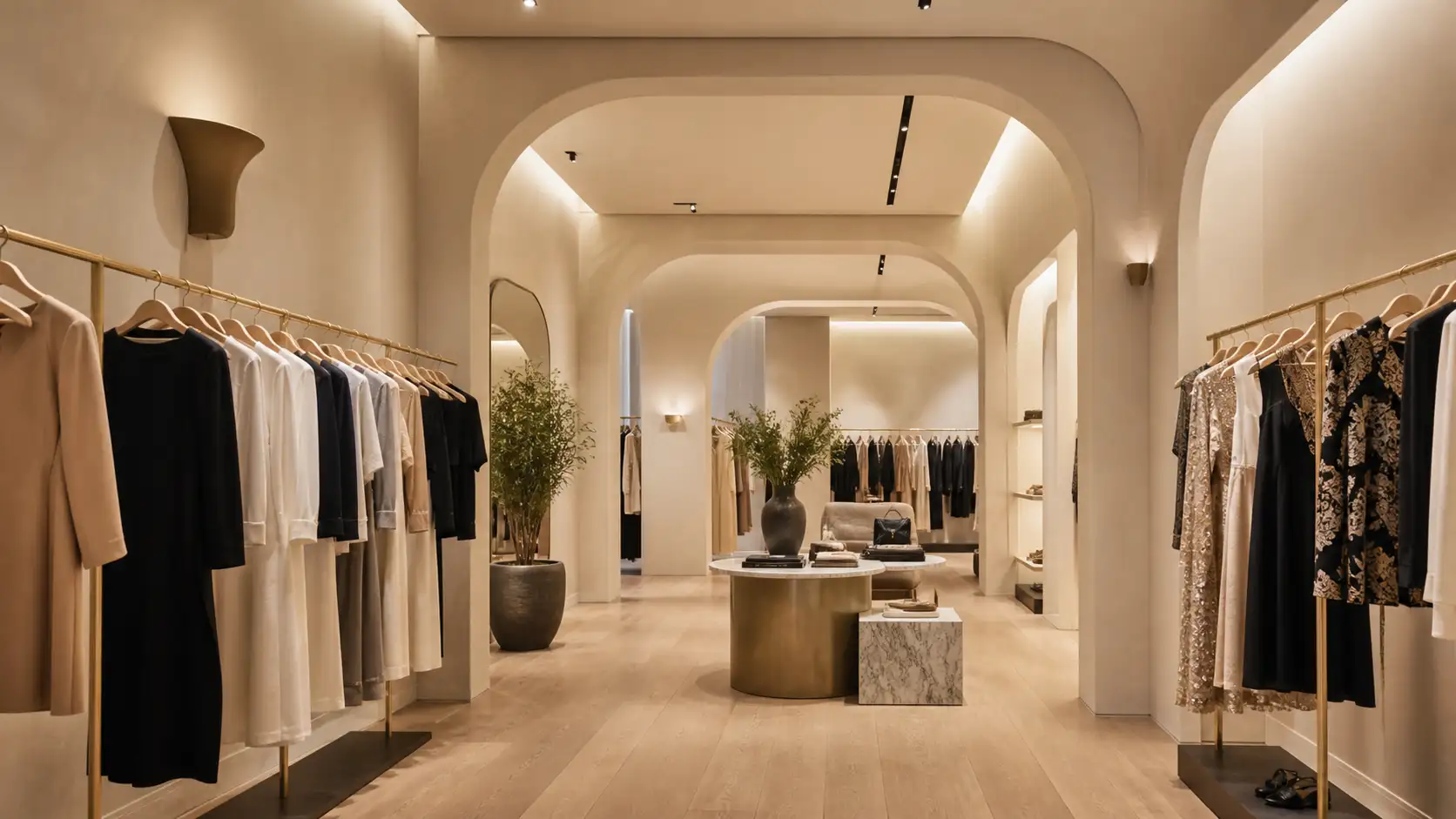
How do you start a boutique? To start a boutique successfully, you must curate a tightly focused product collection for a distinct target audience, calculate your startup capitalization ($5,000–$15,000 for an online boutique; $45,000–$120,000 for a brick-and-mortar storefront), legally register your business entity, secure wholesale vendor partnerships, and deploy a unified digital storefront that coordinates inventory, seamless payments, and direct customer communication.
Unlike a generalized apparel store or a commoditized mass-market marketplace, a boutique thrives on point of view. A boutique does not attempt to offer everything to everyone; instead, it offers a thoughtful filter. Customers patronize boutiques because they seek emotional resonance, curation, distinctive styling advice, and a human connection that commercial department stores cannot replicate.
- Aesthetic Distinction Trumps Catalog Size: Curate 25 to 50 complementary SKUs that solve a clear wardrobe desire rather than overwhelming buyers with hundreds of unrelated items.
- Margin Mastery is Non-Negotiable: Maintain a minimum 2.2x to 3.0x markup (keystone pricing) on wholesale costs to comfortably absorb overhead, marketing, returns, and fulfillment.
- Omni-Channel From Day One: Physical foot traffic and digital discoverability reinforce one another. Modern boutiques pair physical pop-ups or retail spaces with unified digital storefronts.
- Own Your Customer Relationships: Avoid reliance on algorithmic ad networks alone. Leverage direct conversational commerce via WhatsApp CRM, automated order updates, and personalized styling consultations.
Deconstructing the Boutique Model: What Sets It Apart?
The term "boutique" originates from the French word for "shop," historically denoting a specialized retail establishment offering curated goods, tailored garments, or bespoke jewelry. In contemporary retail, operating a boutique is not defined by physical square footage—it is defined by intentional curation.
When retail buyers search for how do you start a boutique, they frequently misunderstand the operational distinction between a standard retailer and a boutique brand:
Boutiques curate cohesive capsule collections. Every blouse, skirt, piece of jewelry, and footwear silhouette matches a recognizable aesthetic mood.
Boutique customers do not purchase anonymously. They seek wardrobe styling advice, private trunk shows, and direct communication with knowledgeable curators.
Rather than holding hundreds of units per size, boutiques hold limited size runs (e.g., 2-2-2 or 1-2-2-1), creating authentic urgency and reducing deep clearance markdowns.
Step 1: Pinpoint Your Aesthetic Niche & Audience Persona
The primary reason new boutiques falter within their first eighteen months is generic positioning. Labeling your venture as "women’s trendy apparel" pits your small business directly against fast-fashion conglomerates with multi-billion-dollar supply chains and razor-thin margins.
To build sustainable demand, your aesthetic niche must intersect three distinct factors: Aesthetic Identity, Occasion Utility, and Willingness to Pay.
"My boutique curates [Specific Style/Aesthetic] for [Clearly Defined Customer Segment] who need effortless dressing for [Specific Life Contexts/Occasions] without compromising on [Core Value, e.g., Ethical Fabrics / Flattering Silhouettes / Artisanal Craftsmanship]."
Consider these examples of defensible boutique micro-niches:
- Contemporary Resortwear: Breathable linen separates, woven accessories, and sun hats tailored for affluent professionals taking tropical weekend getaways.
- Modest Contemporary: Elegant maxi silhouettes, elevated layering tunics, and premium silks cut for modern women seeking stylish coverage.
- Conscious Workwear: Tailored, wrinkle-resistant blazers and structured trousers crafted from organic fibers for female executives and creative directors.
- Modern Indo-Western Occasionwear: Pre-draped sarees, contemporary fusion jackets, and hand-embroidered bustiers targeted at multicultural weddings and festive celebrations.
Step 2: Build a Resilient Financial Plan & Capitalization Model
How much capital is required to start a boutique? The honest answer depends entirely on whether your initial distribution channel is digital, physical, or a hybrid pop-up model.
| Expense Category | Digital Boutique (Lean D2C) | Physical Brick-and-Mortar |
|---|---|---|
| Initial Inventory (Opening Order) | $3,000 – $7,000 (₹2,50,000 – ₹5,50,000) | $20,000 – $45,000 (₹16,00,000 – ₹35,00,000) |
| Storefront / Lease Deposit & Buildout | $0 (Virtual) | $15,000 – $50,000 (₹12,00,000 – ₹40,00,000) |
| Commerce Tech Stack & Software | $19/mo (via GoHato) or ₹1,000/mo India | $150 – $400/mo (POS + Hardware + ERP) |
| Branding, Packaging & Unboxing Assets | $500 – $1,200 (₹40,000 – ₹95,000) | $2,000 – $5,000 (Signage + Hangers + Bags) |
| Editorial Photography & Creative Assets | $800 – $2,000 (₹65,000 – ₹1,60,000) | $1,500 – $3,500 (₹1,20,000 – ₹2,80,000) |
| Legal Entity, Permits & Trademarking | $400 – $1,000 (₹15,000 – ₹40,000) | $1,000 – $3,000 (₹50,000 – ₹1,50,000) |
| Working Capital Reserve (3-6 Months) | $2,500 – $5,000 (₹2,00,000 – ₹4,00,000) | $15,000 – $30,000 (₹12,00,000 – ₹25,00,000) |
| Estimated Total Capital Needed | $7,200 – $16,200 (₹5,70,000 – ₹12,50,000) | $54,650 – $136,900 (₹42,00,000 – ₹1,05,00,000) |
Step 3: Establish Legal Entity, Licensing & Tax Frameworks
A boutique is a serious enterprise handling payment transactions, product liabilities, and tax obligations. Before purchasing wholesale goods, establish a legitimate corporate structure:
Select Your Business Entity
In the United States, founders typically form a Limited Liability Company (LLC) or an S-Corporation to protect personal assets. In India, boutique owners start as a Sole Proprietorship or register a Private Limited Company or One Person Company (OPC).
Obtain Tax Identification & Resale Certificates
In the US, you will need a federal Employer Identification Number (EIN) and a state Resale Certificate (Sales Tax Exemption Permit). This certificate is crucial: wholesale suppliers will not sell to you at trade prices without proof that you collect sales tax on finished retail transactions. In India, GST registration is mandatory for interstate sales and ecommerce transactions.
Open a Dedicated Business Bank Account
Never commingle personal and retail funds. Maintain a dedicated corporate checking account and commercial credit card to seamlessly handle supplier invoices, shipping accounts, and merchant payouts.
Step 4: Sourcing Inventory, Designers & Trade Show Curation
Your inventory represents the heartbeat of your boutique. Where do boutique curators find garments that look unique and carry healthy profit margins?

Boutique sourcing generally divides into three primary avenues:
A. B2B Wholesale Marketplaces & Showrooms
Digital trade portals like Faire, FashionGo, LA Showroom, and Tundra allow boutique curators to discover thousands of independent labels. You can inspect line sheets, view minimum order quantities (MOQs), and order pre-packs. When reviewing suppliers, always order sample pieces first to inspect stitch density, fabric weight, seam lining, and hardware durability.
B. International Trade Shows & Apparel Markets
In-person trade expos offer tactile advantages. Visiting major fashion markets—such as MAGIC (Las Vegas), Coterie (New York), Atlanta Apparel, or regional textile centers in Mumbai, Jaipur, and Surat—enables you to feel fabric hands, discuss delivery lead times directly with brand representatives, and negotiate volume tiers.
C. Consignment & Emerging Independent Designers
To offer pieces your competitors cannot stock, partner with emerging local fashion graduates and bespoke artisans. Consignment agreements allow you to showcase unique pieces with zero upfront inventory capital, splitting retail proceeds (e.g., 60/40 or 50/50) only upon purchase. If you plan to expand into bespoke manufacturing alongside wholesale curation, consult our in-depth guide on launching an apparel line from scratch to understand production tech packs and minimum fabric yields.
Step 5: Keystone Pricing, Margins & Merchandising Ratios
A common mistake among first-time boutique owners is underpricing inventory out of fear that shoppers will balk at premium rates. However, running a boutique requires absorbing operational friction: returned garments, payment gateway transaction fees, localized packaging costs, and occasional unsold clearance stock.
Keystone Markup = Wholesale Cost × 2.0 to 2.5
If a linen dress costs $24 wholesale, standard keystone dictates a retail price between $48 and $60. High-end boutiques operating in curated niches frequently apply a 2.5x to 3.0x markup ($60–$72) to protect gross margins above 60%.
The 70-20-10 Assortment Architecture
Avoid ordering equal quantities of every style. Structure your initial catalog using the 70-20-10 merchandising balance:
- 70% Core Staples: Versatile, timeless pieces with wide appeal (e.g., tailored linen trousers, classic silk slips, essential layering knits) that sustain reliable repeat orders.
- 20% Trend Accents: Seasonal colors, statement sleeves, or viral silhouettes that capture visual interest on social media and draw immediate attention.
- 10% Hero Showpieces: High-ticket, dramatic couture or artisanal garments that establish your boutique’s prestige and editorial authority, even if they sell in lower volume.
Step 6: Choosing Your Format: Online, Physical, or Hybrid
Modern retail has dissolved the binary choice between online-only and brick-and-mortar. Boutique entrepreneurs today deploy hybrid models that reduce risk and accelerate brand equity.
Lowest overhead. Ideal for testing curation aesthetic without long-term commercial leases. Success hinges on exceptional editorial imagery, detailed fit notes, and fast fulfillment.
Combine an always-on digital storefront with curated monthly weekend pop-ups, makers markets, or trunk shows inside established salons and art galleries.
Highest initial capital expenditure, but delivers foot traffic and tactile immersion. Thrives in pedestrian-heavy historic districts, lifestyle centers, and vibrant shopping streets.
Step 7: Launching Your Commerce Platform with GoHato
Whether you operate a physical boutique on Main Street or a digital-first atelier, your digital storefront is your central commercial engine. In the past, boutique owners faced a frustrating dilemma: hire expensive web agencies to code custom sites, or stitch together dozens of expensive monthly software subscriptions.
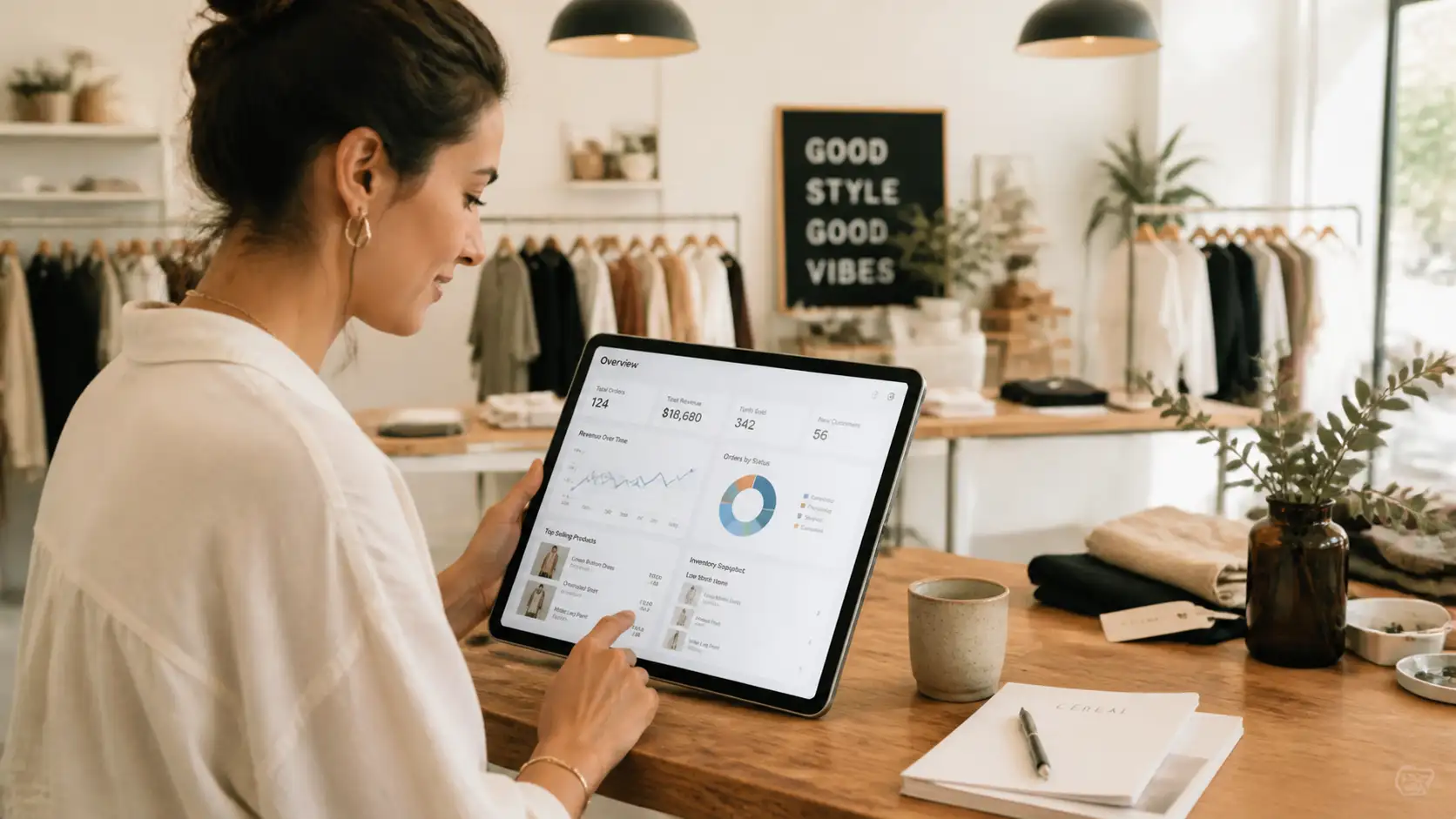
GoHato is a US-based commerce platform engineered specifically for modern direct-to-consumer fashion, jewelry, and lifestyle brands. Unlike platforms that function solely as bare storefront shells requiring endless paid third-party add-ons, GoHato unifies your entire retail operation:
- Designer Editorial Storefronts: Highly customizable, mobile-first themes tailored for apparel, featuring garment sizing guides, lookbook grids, and multi-angle product galleries.
- Official Meta WhatsApp CRM: Boutique shopping is relational. GoHato features built-in WhatsApp automation for real-time order dispatch notifications, abandoned cart recovery, and VIP customer styling conversations without paying for external CRM apps.
- Unified Multi-Channel Helpdesk: Consolidate inquiries across WhatsApp, Instagram DMs, and email into a single operational inbox so your team never misses a styling question.
- Seamless Global & Local Payments: Native support for credit cards, digital wallets, UPI transactions, and Cash on Delivery (COD) verification workflows.
- Integrated Invoicing & Taxes: Automated sales tax and GST-compliant invoicing generated automatically on order fulfillment.
Best of all, GoHato eliminates the "subscription tax" that plagues boutique founders. While standard legacy platforms charge $39/month for hosting plus $200–$400/month in separate plugins for CRM, forms, WhatsApp notifications, and review widgets, GoHato delivers a comprehensive commerce engine at a straightforward international price of $19 per month (with a special discounted offer of ₹1,000 per month for the Indian market).
Step 8: Packaging, Tactile Branding & Unboxing Experience
In boutique retail, the sale does not conclude when the customer’s card is processed. The transaction concludes when the package is opened. A customer who opens a flimsy plastic polybag with wrinkled apparel feels buyer’s remorse. Conversely, an intentional unboxing sequence creates organic social sharing and high customer retention.

Incorporate these low-cost, high-impact unboxing elements:
- Custom Acid-Free Tissue Paper: Embossed with your boutique monogram or sealed with a metallic foil sticker.
- Signature Olfactory Identity: Lightly mist tissue linings with a subtle, upscale room fragrance (e.g., cedarwood, fig, or amber) to forge an emotional scent memory.
- Handwritten Stylist Note: A branded postcard thanking the buyer by name and suggesting one styling tip (e.g., "Pair this blouse with wide-leg denim and gold hoops for evening drinks!").
- Care & Longevity Cards: Clear instructions on how to launder delicate linens, silks, or handloom textiles to prevent premature wear.
Step 9: Conversational Marketing, Clienteling & WhatsApp CRM
High-growth boutiques do not rely on passive advertising. They excel at clienteling—the practice of proactively cultivating individual relationships with key customers.
Before launching a new 20-piece capsule collection publicly, notify your top 50 past buyers via direct WhatsApp message or email 24 hours in advance.
Film unfiltered Instagram Reels and short videos showing real people of different heights and body frames wearing each piece, answering sizing questions transparently.
Recover up to 25% of lost checkouts using GoHato's automated WhatsApp cart reminders offering assistance with fit or payment questions.
Step 10: Inventory Control, Logistics & Reverse Operations
Apparel carries an average retail return rate of 20% to 30%, largely driven by fit ambiguity. To prevent return logistics from destroying your net profitability:
- Publish Exact Garment Measurements: Provide bust, waist, hip, and length measurements for every individual garment size rather than a generic body chart.
- Implement Store Credit Exchange Incentives: Offer free return shipping if the customer chooses boutique store credit or an alternative size exchange, but charge a modest processing fee for full refunds.
- Conduct Rigorous Incoming QC: Inspect every inbound shipment from wholesale suppliers immediately for loose threads, broken zippers, or mislabeled sizing tags before entering units into your system.
SaaS Breakdown: All-in-One Platform vs. Fragmented App Stacks
Before committing your working capital to software, evaluate the true recurring cost of running an online boutique:
| Functional Requirement | Conventional Setup (e.g., Shopify + Apps) | The GoHato Platform |
|---|---|---|
| Core Online Storefront | $39 / month | Included |
| Official WhatsApp CRM & Cart Recovery | $49 – $120 / month (Interakt / Wati) | Included (Meta Cloud API) |
| Multi-Channel Inbox (WhatsApp + DM) | $60 – $150 / month (Gorgias / Zendesk) | Included |
| GST Invoicing & Advanced Tax Output | $15 – $30 / month | Included |
| Storefront Sizing Guides & Lookbooks | $10 – $25 / month | Included |
| Estimated Annual Software Outlay | $2,000 – $4,200+ per year | $228 / year ($19/mo) or ₹12,000 / year |
If you already maintain an existing catalog elsewhere, review our comprehensive GoHato vs Shopify platform comparison to explore how assisted migration can transition your customer database and product history in under 48 hours.
Frequently Asked Questions
How much money do you need to open a boutique?
A digital-first online boutique can be launched comfortably with $5,000 to $12,000 (₹4,00,000 to ₹10,00,000), which covers initial wholesale inventory, professional branding, editorial photography, and operating software. A physical brick-and-mortar storefront typically requires between $45,000 and $120,000 (₹35,00,000 to ₹95,00,000) to account for commercial security deposits, architectural fixtures, signage, extensive opening inventory, and retail POS equipment.
Do you need a business license to sell clothes online?
Yes. Even if you operate strictly from home or via digital channels, you must register a recognized business entity (such as an LLC or Sole Proprietorship), obtain an Employer Identification Number (EIN) or GST number, and secure a sales tax resale permit. Wholesale apparel suppliers will not sell inventory to unregistered businesses.
Where do boutique owners buy their clothes wholesale?
Boutique owners source inventory through vetted B2B wholesale marketplaces (like Faire, FashionGo, and LA Showroom), attend in-person trade expos (such as MAGIC Las Vegas, Coterie New York, and regional textile fairs), or collaborate directly with independent local designers and private-label apparel manufacturers on consignment.
Is opening a boutique still profitable today?
Yes, boutiques remain highly profitable when owners maintain disciplined margins (minimum 2.2x to 2.8x keystone markup), avoid holding bloated inventory, and cultivate repeat shoppers through direct clienteling. Because boutique customers purchase curation and emotional identity rather than generic utility, boutiques command higher average order values than mass commodity sellers.
How do I choose the best ecommerce platform for my boutique?
Look for an all-in-one platform that avoids the need for dozens of expensive third-party plugins. Your platform must provide responsive, apparel-optimized design themes, integrated WhatsApp messaging for customer orders and styling inquiries, automated tax invoicing, and reliable inventory sync across all your channels.
Build Your Dream Boutique Without Tech Complexity
GoHato gives you the complete commerce engine to launch, manage, and scale your fashion brand—storefront, WhatsApp CRM, helpdesk, and inventory—all in one place.